Published Research
27 Nov 2025
PER2 for Circadian Rhythm Disorders: Challenges and Prospects of Gene Editing Therapies
Biology | Medicine
Anisa Putri

The PER2 gene plays an extremely important role in the body's internal clock by helping regulate daily rhythms like sleep and consciousness. It is an extremely important part of the feedback loop that drives the circadian cycle, especially in areas like the suprachiasmatic nucleus (SCN), which controls our biological clock's timing. This review looks into whether the current gene editing technologies like CRISPR-Cas9 could be used to address problems that exist with PER2 expression. We assess how PER2 dysfunction is linked to circadian rhythm disorders such as Delayed Sleep Phase Syndrome (DSPS) and review the findings from case studies and research that cover both humans and animals. Additionally, the paper discusses the technical and biological challenges of editing a gene that changes over a 24 hour cycle and is only active in certain brain regions. We also look at the ethical and safety concerns that are associated with targeting genes in the brain, especially ones correlated to behavior and sleep. This understanding of the PER2 gene's influence helps us explore the potential of safe and targeted gene therapy guidelines implemented in the near future, especially with such a steadily growing market.
11 Nov 2025
Algorithmic Bias and AI Ethics: Balancing Innovation with Social Justice
AI | Social Ethics
Emily Carter

This report examines the ethical challenges raised by artificial intelligence (AI) in data science, particularly how biased algorithms can lead to discrimination in high-stakes areas like hiring, criminal justice, and finance. It explores the dangers of treating AI as neutral; however, in reality, it often reflects and amplifies human and historical biases. Further, the report includes research into algorithmic bias through detailed case studies, as well as creative explorations through rhetorical poetry and dialogue that together provide emotional and personal perspectives on algorithmic injustice and highlight the human consequences of biased AI decision-making. By blending academic analysis with poetic and narrative lenses, the reader gains a deeper understanding of how ethical flaws in AI impact real lives and amplify historical inequalities while being perceived as objective. Overall, it argues that while AI has the power to transform society, it must be developed and used with transparency, fairness, and human oversight to prevent reinforcing systemic inequalities.
9 Nov 2025
Inside Alzheimer’s: The Science, Symptoms & Struggles
Biology | Medicine
Maya Patel
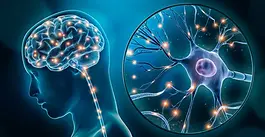
This research paper will explore and analyze Alzheimer’s disease, its impacts, costs, treatments, relevant laws, biological mechanisms, and its effects on daily life. This neurological disorder affects millions worldwide and accounts for over 60% of all dementia cases, making it a major health concern. After investigating multiple sources, common symptoms of Alzheimer's include memory loss, cognitive decline, and behavioral changes, all progressively impairing essential functions and affecting one’s quality of life. Alzheimer’s is categorized into different stages based on severity and progression. Despite its identification in 1906, scientists have yet to discover a definitive cure. Though there is a sporadic Alzheimer’s which is not inherited, this paper will focus on familial Alzheimer’s Disease.
1 Nov 2025
Testosterone-Driven Modulation of Vaccine Efficacy: From Molecular Mechanisms to Clinical Outcomes
Biology Medicine
Alejandro Torres

Vaccination remains one of the most effective strategies for preventing infectious diseases by priming the immune system to recognize and eliminate pathogens, thereby reducing morbidity and mortality. Traditionally, vaccine development and administration have followed a universal model with little regard for biological differences among recipients. However, emerging research suggests that biological sex may influence immune responses to vaccination, with hormones such as testosterone playing a key role. Testosterone has been shown to modulate immune function, potentially contributing to variation in vaccine efficacy and adverse effects between males and females. This literature review examines the relationship between testosterone levels and vaccine responses in humans, with the aim of assessing whether sex-based biological differences warrant a move toward more personalized vaccine strategies. By synthesizing findings from existing studies, this review seeks to address the central question: What is the effect of testosterone levels on vaccine administration in humans, and should vaccines be tailored based on sex?
14 Oct 2025
Discriminative Accuracy of Virtual Reality vs. Traditional Neuropsychological Assessments for Cognitive Impairment: A Systematic Review
Psychology | Virtual Reality | Medicine
Cindy Wang

This systematic review investigates the potential of virtual reality (VR) assessments to screen for cognitive impairment. Traditional neuropsychological assessments have limited cognitive domain assessment which could be resolved through VR’s robust, ecological user interface with the ability to assess how a user performs daily tasks. Eleven (n = 11) VR assessment systems and their data were analyzed for accuracy and correlation with traditional assessments. In summary, VR assessments were proven to have high discriminative accuracy and have demonstrated significant correlations with a variety of traditional neuropsychological assessments. Some held high or moderate correlation, and in certain cases, VR assessments outperformed traditional assessments through enhanced sensitivity. This highlights VR’s growing validity and utility as an effective tool for neuropsychological evaluation.