PER2 for Circadian Rhythm Disorders: Challenges and Prospects of Gene Editing Therapies
Anisa Putri
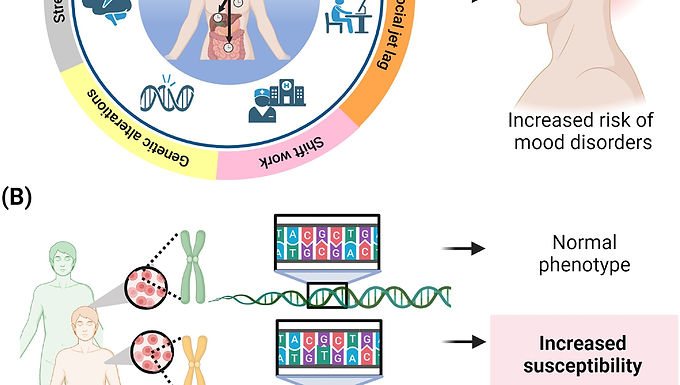
The PER2 gene plays an extremely important role in the body's internal clock by helping regulate daily rhythms like sleep and consciousness. It is an extremely important part of the feedback loop that drives the circadian cycle, especially in areas like the suprachiasmatic nucleus (SCN), which controls our biological clock's timing. This review looks into whether the current gene editing technologies like CRISPR-Cas9 could be used to address problems that exist with PER2 expression. We assess how PER2 dysfunction is linked to circadian rhythm disorders such as Delayed Sleep Phase Syndrome (DSPS) and review the findings from case studies and research that cover both humans and animals. Additionally, the paper discusses the technical and biological challenges of editing a gene that changes over a 24 hour cycle and is only active in certain brain regions. We also look at the ethical and safety concerns that are associated with targeting genes in the brain, especially ones correlated to behavior and sleep. This understanding of the PER2 gene's influence helps us explore the potential of safe and targeted gene therapy guidelines implemented in the near future, especially with such a steadily growing market.