Published Research
4 Jan 2026
Napping on Memory and Cognition
Neuroscience
L. Chen, A. Patel

Napping occupies a complex position in contemporary society, where it is often perceived as a sign of laziness, leading nearly half of American adults to deliberately avoid the practice. In contrast, adequate sleep is consistently recommended due to its well-documented restorative functions, including metabolic regulation, reduced cardiovascular risk, and enhancements in memory and attention. Although naps are significantly shorter than nocturnal sleep, typically ranging from 10 to 120 minutes, a growing body of research suggests that napping confers comparable physiological and cognitive benefits. Longitudinal evidence from populations where habitual napping is culturally embedded, such as Spain, indicates that individuals who engage in a daily 30-minute siesta exhibit a substantially lower risk of obesity. Despite these benefits, napping is associated with potential drawbacks, including sleep inertia and disruptions to nighttime sleep, which may explain the variability in optimal napping conditions and its limited endorsement within workplace environments. This review examines the multifaceted nature of napping, with a particular focus on its cognitive implications. Current findings strongly support the role of short naps in enhancing memory, attention, and other cognitive functions, while highlighting the conditions under which these benefits are maximized.
2 Jan 2026
Origami-Inspired Mechanical Metamaterials: A Study on Fold Geometry and Load-Bearing Efficiency Using Low- Cost Materials
Mechanical Engineering | STEM
Derek Wells

This paper investigates how different origami fold patterns—Miura-ori, waterbomb, and square twist—affect the mechanical performance of low-cost metamaterials. Through tests measuring load capacity, elastic recovery, and fatigue resistance, the study shows that fold geometry significantly influences structural strength and durability. Miura-ori consistently outperformed other patterns, demonstrating its potential for deployable and compact engineering applications. The research highlights how accessible materials and thoughtful design can lead to practical innovations in mechanical engineering.
2 Jan 2026
Nanoparticle Applications in Cancer Therapy: Limitations, Risks, Mechanisms
Biotech | STEM | Medicine
Kim Jennings

This paper provides a detailed evaluation of the implementation of nanoparticles in cancer therapy, a novel nanotechnology that is currently emerging as a promising direction in cancer treatment. It systematically characterizes the conception of modern cancer therapies by analyzing their physicochemical properties, biological interactions within physiological settings, and Treatment-emergent adverse events (TEAEs). Moreover, based on the constant comparison between nanoparticles and traditional treatments, this study incorporates, it establishes a cornerstone for improving both conventional and contemporary biopharmaceutical technologies.
1 Jan 2026
Improving Antibiotic Effectiveness with CRISPR-Phage to Target Beta-Lactam Resistance in Escherichia coli
Science | Biotechnology | Genetics
Dhiqrah M. Essa
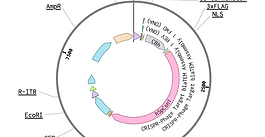
Antibiotic resistance is a growing global health crisis that threatens the effectiveness of bacterial infection treatments. The blaTEM gene in Escherichia coli codes the beta-lactamase enzymes, which lower the effect of beta-lactam antibiotics such as ampicillin. I am reporting the development of the CRISPR-Phage system targeting the blaTEM gene to restore antibiotic efficacy. Using a highly designed CRISPR-Cas9 construct combined with bacteriophage elements, I successfully disrupted the blaTEM gene, which was further validated through sequencing and antibiotic sensitivity assays. This approach shows the efficiency of CRISPR-Phage as a valuable tool in the fight against antibiotic resistance and points to some future applications for clinical and environmental use.
30 Dec 2025
Engineered Exosome‑Based siRNA Delivery Targeting Epstein–Barr Virus Latency in Multiple Sclerosis: A Model for Antiviral Neurotherapeutics
Biology | Medicine | STEM
Saurav Verma

Multiple Sclerosis (MS) is a chronic inflammatory and neurodegenerative disorder of the central nervous system (CNS) with unclear upstream etiology. Accumulating evidence implicates Epstein–Barr virus (EBV) as a necessary antecedent for MS in most cases, via lifelong latency in B cells and occasional reactivation that perturbs immune tolerance and fosters neuroinflammation. Current MS therapies predominantly modulate immunity without addressing viral reservoirs. We propose a translational platform that engineers blood–brain‑barrier (BBB)‑permeant exosomes to deliver small interfering RNA (siRNA) against EBV latency determinants (e.g., EBNA1, LMP1). The central hypothesis is that sustained knockdown of these transcripts in EBV‑positive B cells and glial targets will (i) reduce viral persistence/reactivation, (ii) blunt downstream inflammatory cascades driving demyelination, and (iii) slow disability progression. We outline a stepwise program spanning in‑silico siRNA design, exosome surface ligand engineering for B‑cell/CNS tropism, rigorous in‑vitro and in‑vivo validation, biodistribution/tox studies, and an adaptive preclinical efficacy trial. If successful, this work establishes a generalizable antiviral neurotherapeutic framework.